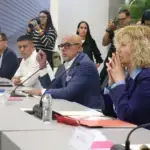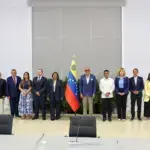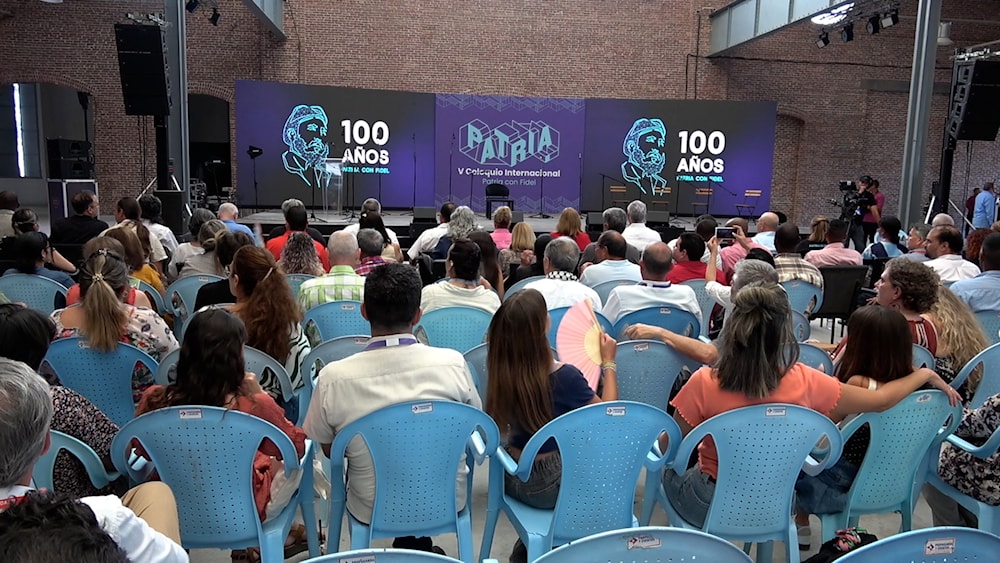
The Patria Colloquium hall in Havana, Cuba. Photo: Al Mayadeen.
The Patria Colloquium hall in Havana, Cuba. Photo: Al Mayadeen.
The fifth International Patria Colloquium on Digital Communication concluded on Saturday in Havana after three days dedicated to analyzing the best communication practices and information strategies in the face of contemporary challenges.
The closing ceremony was attended by the Cuba’s President Miguel Díaz-Canel, who toured the stands of participating media outlets. More than 150 guests from approximately 20 countries took part in the event.
During the closing session, journalist Rosa Miriam Elizalde, organizer of the colloquium, reaffirmed the political, historical, and strategic nature of the gathering, which was dedicated to the victory at the Bay of Pigs and the legacy of Fidel Castro in the year marking 100 years since his birth.
The final day featured the keynote lecture “The Word Made Revolution: Fidel and Communication,” delivered by US researcher Manolo De Los Santos, who emphasized Fidel Castro’s ability to transform words into political and cultural action.
As part of the fifth edition, a permanent headquarters for the Patria Colloquium was inaugurated, which will serve as a physical and virtual meeting point for experts, journalists, activists, and social organizations committed to emancipatory communication.
The event also served as a space for solidarity and coordination around international causes, including the defense of the Palestinian people and support for peoples in resistance in the Middle East, with special mentions of Lebanon and Iran, in a global context marked by informational and geopolitical disputes.
72 Years of the Cuban Revolution: Critical Milestone in a Rising Global Resistance
Translation: Orinoco Tribune
OT/CB/SL