

Compilation image featuring Syrian President Bashar al-Assad. Photo: MintPress News.
Compilation image featuring Syrian President Bashar al-Assad. Photo: MintPress News.
By Kit Klarenberg – Sep 27, 2023
Throughout August and September, anti-government protests have rocked Syrian cities. While the crowds are typically small, numbering only a few hundred, they show little sign of abating. Demonstrators are motivated by increasingly unlivable economic conditions spurred by crippling U.S.-led international sanctions against Damascus. These have produced hyperinflation, mass food insecurity, and many daily hardships for the population. They also prevent vital humanitarian aid from entering the country.
The media has given the unrest blanket coverage. No reference to Washington’s central role in imposing the misery under which average Syrians suffer today, let alone that several key figures in the protests are former opposition fighters who laid down their arms under a government-approved reconciliation deal in 2018, can be found in the reporting.
By contrast, mainstream news outlets appear positively exuberant at the prospect of a new Syrian ‘revolution’ erupting, and many comparisons have been drawn to the protests in March 2011 that turned into an all-out war by the year’s end. In the process, the long-standing, indomitably established narrative that those demonstrations were initially peaceful and only turned violent after many months in response to brutal repression by authorities has been endlessly reiterated.
This is despite the reality of what happened during that fateful time being spelled out in the Syrian government’s own internal documents. Namely, records of the Central Crisis Management Cell, created in March 2011 by Damascus to manage responses to the rioting that began a few weeks earlier.
While mainstream outlets have previously reported on this trove, dubbing them “The Assad Files,” they have universally misrepresented, distorted or simply falsified the contents to wrongfully convict Syrian officials of horrific crimes. In some instances, quite literally. The documents show that Assad and his ministers struggled valiantly to prevent the upheaval from escalating into violence on either side, protect demonstrators, and keep the situation under control.
Meanwhile, sinister, unseen forces systematically murdered security service officials, pro-government figures, and protesters to foment catastrophe in a manner similar to many CIA regime change operations old and new. This shocking story has never before been told. Now, with dark insurrectionary clouds again pullulating over Damascus, it must be.
For the most part, the streets of Syria remained stubbornly calm.
This was despite relentless calls for upheaval by local opposition elements. Repeated demands for a “day of rage” against the government of Bashar al-Assad were widely publicized in the Western media but locally unheeded. As “Al Jazeera” explained in February of that year, Syrians had no appetite for regime change. For one, the country’s ethnically and religiously diverse population cherished their state’s secularism and feared unrest would create potentially violent tensions between them all.
Inconveniently, too, Assad was extremely popular, particularly with younger Syrians. He was widely perceived as a reformer who encouraged and protected diversity and inclusion and oversaw a system that, while far from perfect, delivered extremely high standards of education, healthcare, and much else. Unlike many other leaders in the region, his refusal to accommodate Israel was also greatly respected.
Peace in Damascus finally shattered in mid-March when massive demonstrations broke out in several major cities following weeks of sporadic, small-scale bursts of public disobedience across the country. Reports of thousands arrested and an uncertain number of protesters killed spread widely. This was the spark that ignited the West’s proxy war in Syria. Ominously, mere days earlier, a truck carrying vast quantities of grenades and guns was intercepted at Syria’s border with Iraq.
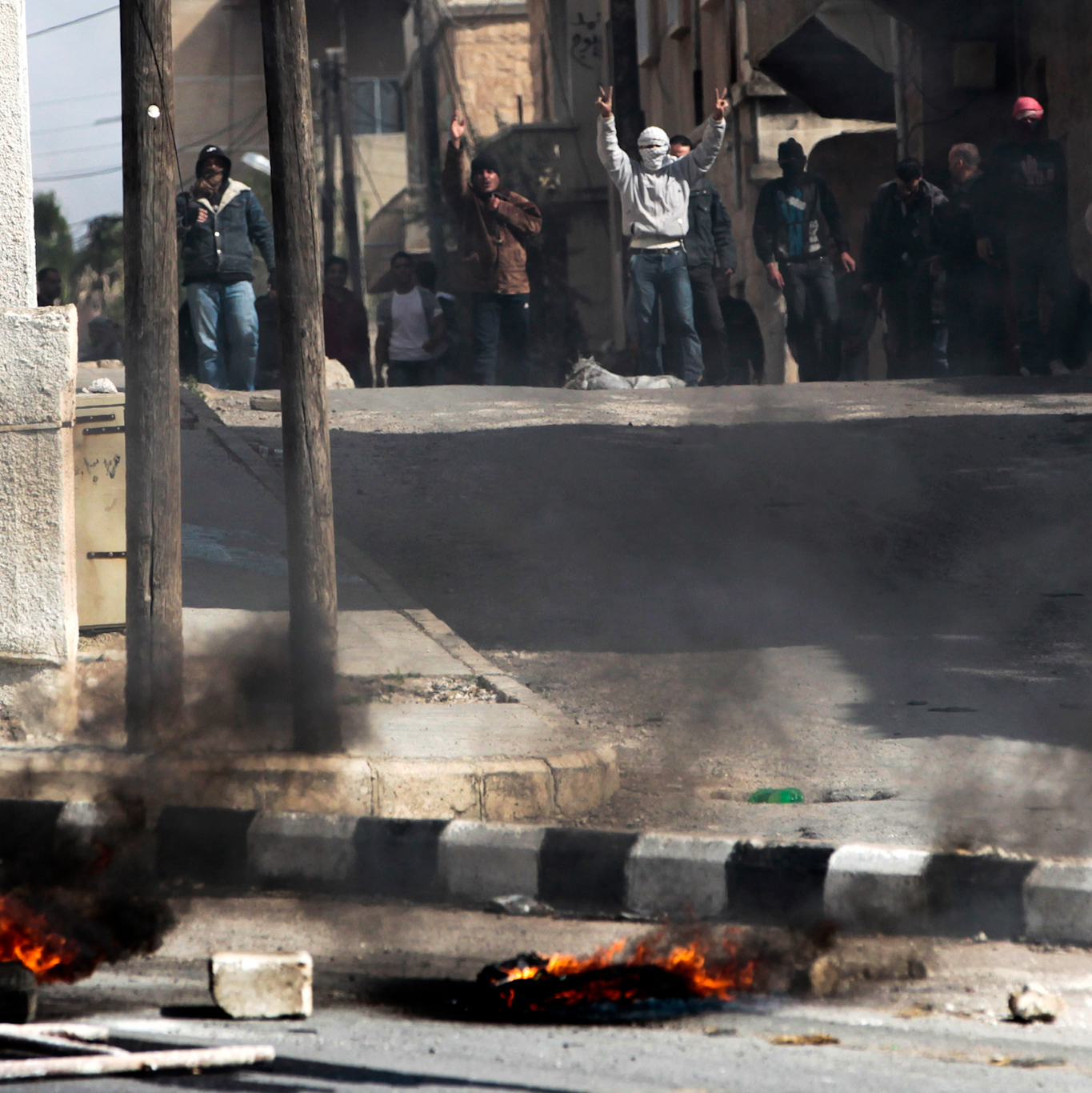
Pater Frans was a Jesuit priest from the Netherlands who, in 1980, established a community center and farm near Homs where he preached harmony between faiths and cared for people with disabilities. When the crisis erupted, he began publishing regular observations of events that were deeply critical of both the government and the opposition.
Along the way, Frans repeatedly noted that “from the start,” he witnessed armed demonstrators fire on police. “Very often,” he once recorded, “the violence of the security forces has been a reaction to the brutal violence of the armed rebels.” In September 2011, he wrote:
From the start there has been the problem of the armed groups, which are also part of the opposition…The opposition of the street is much stronger than any other opposition. And this opposition is armed and frequently employs brutality and violence, only in order then to blame the government.”
It is unknown whether such problematic insights motivated Frans’ murder by armed militants in April 2014, not long after he refused an offer of UN evacuation.
‘NO DROP OF BLOOD’
If peaceful protesters were killed in the initial stages of the failed “revolution,” the question of who was responsible remains unanswered. The Central Crisis Management Cell records indicate that in the days leading up to the mid-March protests, government officials issued explicit instructions to security forces that citizens “should not be provoked”:
In order to avoid the consequences of continued incitement…and foil the attempts of inciters to exploit any pretext, civil police and security agents are requested not to provoke citizens.”
Similarly, on April 18, the Cell ordered the military to only “counter with weapons those who carry weapons against the state, while ensuring that civilians are not harmed.” Four days later, though, “at least” 72 protesters were allegedly shot dead by authorities in Daraa and Douma, the highest reported daily death toll since the demonstrations began. Condemnation from rights groups and Western leaders was fiery.
Three months later, a number of Syrian Arab Army officers defected and formed the Free Syrian Army. Claiming to have become disaffected, they threw their weight behind the opposition due to the April 18 slaughter and alleged the shooting was expressly ordered by their superiors, which they refused to fulfill. However, if orders to execute protesters were given, they evidently weren’t approved by Assad or his ministers.
Contemporary Cell records show that the highest echelons of the Syrian government were extremely unhappy about the killings in Daraa and Douma, with one official cautioning this “difficult day” had “created a new situation…pushing us into circumstances we are better off without.” They went on to lament, “If the directives previously issued had been adhered to, we would have prevented bloodshed, and matters would not have come to this culmination.”
An obvious suspicion is that the use of lethal force was directed by Army commanders planning to defect who wanted to concoct a valiant pretext while creating significant problems for the government. This interpretation is amply reinforced by the defectors who claimed that soldiers who refused the order to kill civilians were themselves executed.
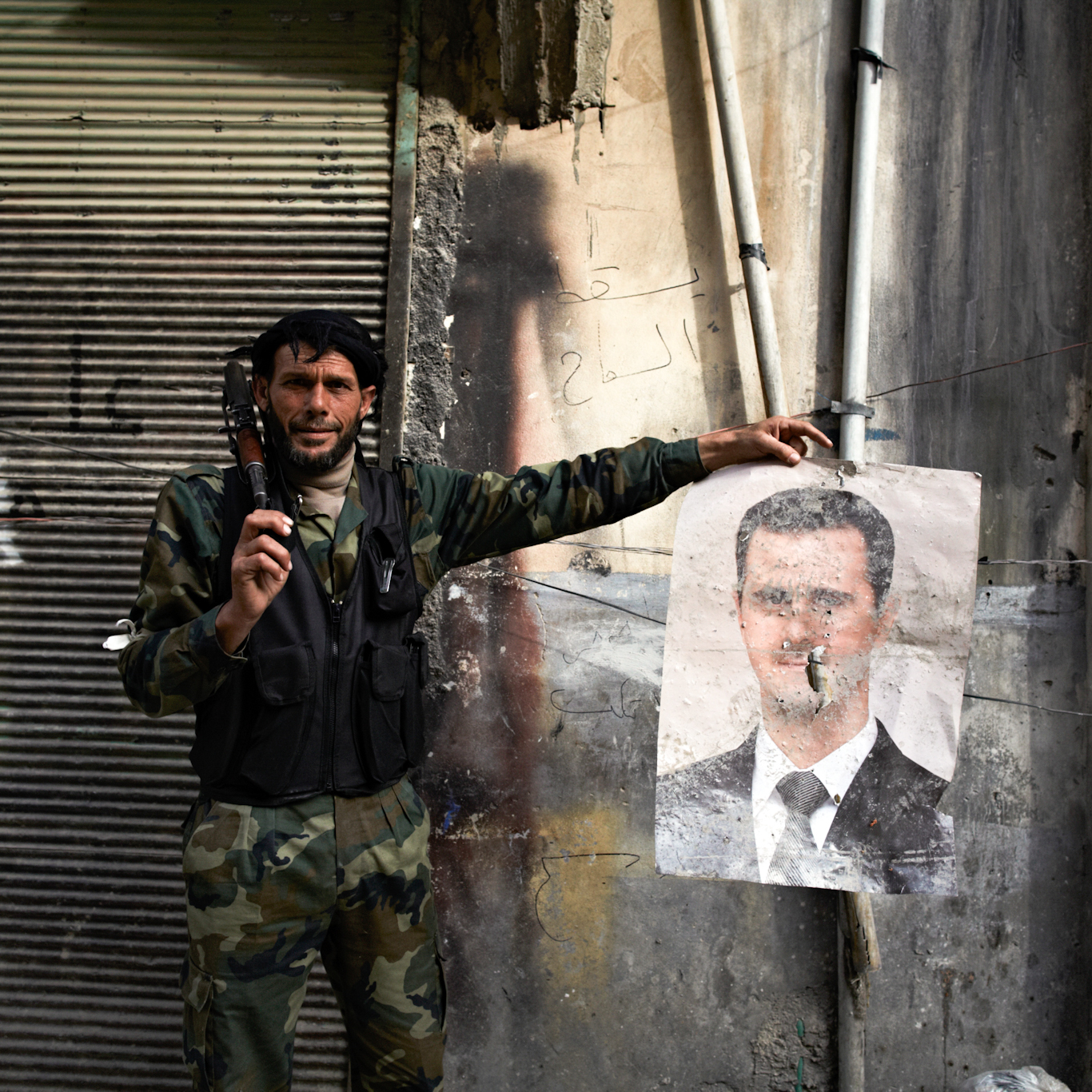
That narrative was eagerly seized upon by Western media, rights groups, and the Syrian opposition as proof of Assad’s maniacal bloodlust. Yet, even the pro-opposition Syrian Observatory of Human Rights has dismissed it as entirely false “propaganda” intended to create divisions within government forces and encourage further defections. More sinisterly, it also provided a convenient explanation for why Syrian security operatives were dying in large numbers after the “peaceful” protests began.
From late March onwards, targeted killings of security operatives and soldiers by unknown assailants became routine before the military was formally deployed in Syria. By early May, the Cell requested daily updates on casualties among “our own forces.” Publicly, though, the government initially remained silent on the slaughter. The Cell records suggest officials were afraid of showing weakness, inflaming tensions, and encouraging further violence.
It was not until June, with the slaughter of at least 120 security forces by armed militants who’d taken over the town of Jisr al-Shughour, that Damascus – and the Western media – acknowledged the killing spree. Cell records show that by this time, government supporters were being abducted, tortured, and murdered by opposition actors. This led to the formal deployment of the military to handle the crisis, which subsequently became even more deadly. Despite the carnage, the Cell’s instructions remained unambiguous.
“Ensure that no drop of blood is shed when confronting and dispersing peaceful demonstrations,” an August memo states. The following month, an order to “prohibit harming any detainee” was issued. “If there is evidence” that any security official “fell short in carrying out any mission,” the Cell dictated, “any officer, head of branch or field commander” implicated would have to explain themselves to the government “to hold them accountable.”
‘TOPPLING DOWN THE REGIME’
Some of the most compelling passages in the Cell documents refer to unidentified snipers lurking on rooftops and buildings adjacent to protests from the upheaval’s beginning, firing on crowds below. One memo records that in late April 2011, a sniper near an Aleppo mosque “shot demonstrators, killing one and injuring 43,” and “the situation of some injured is still delicate.”
As such, “focusing on arresting inciters, especially those shooting at demonstrators,” was considered a core priority for the Assad government for much of that year. Around this time, the Cell also hit upon the idea of capturing “a sniper, inciter or infiltrator” and presenting them publicly in a “convincing” manner. One official suggested that “surrounding and catching a sniper alive or injured and exposing him in the media is not impossible” and would “restore public trust in security agencies and the police.”
But this never came to pass. Damascus also neglected to publicly present a bombshell document circulated among “the so-called Syrian opposition in Lebanon” that its intelligence services intercepted in May 2011. The remarkable file, reproduced in full in the Cell records, lays bare the opposition’s insurrectionary plans, providing a clear blueprint for precisely what had happened since March, and what was to come.
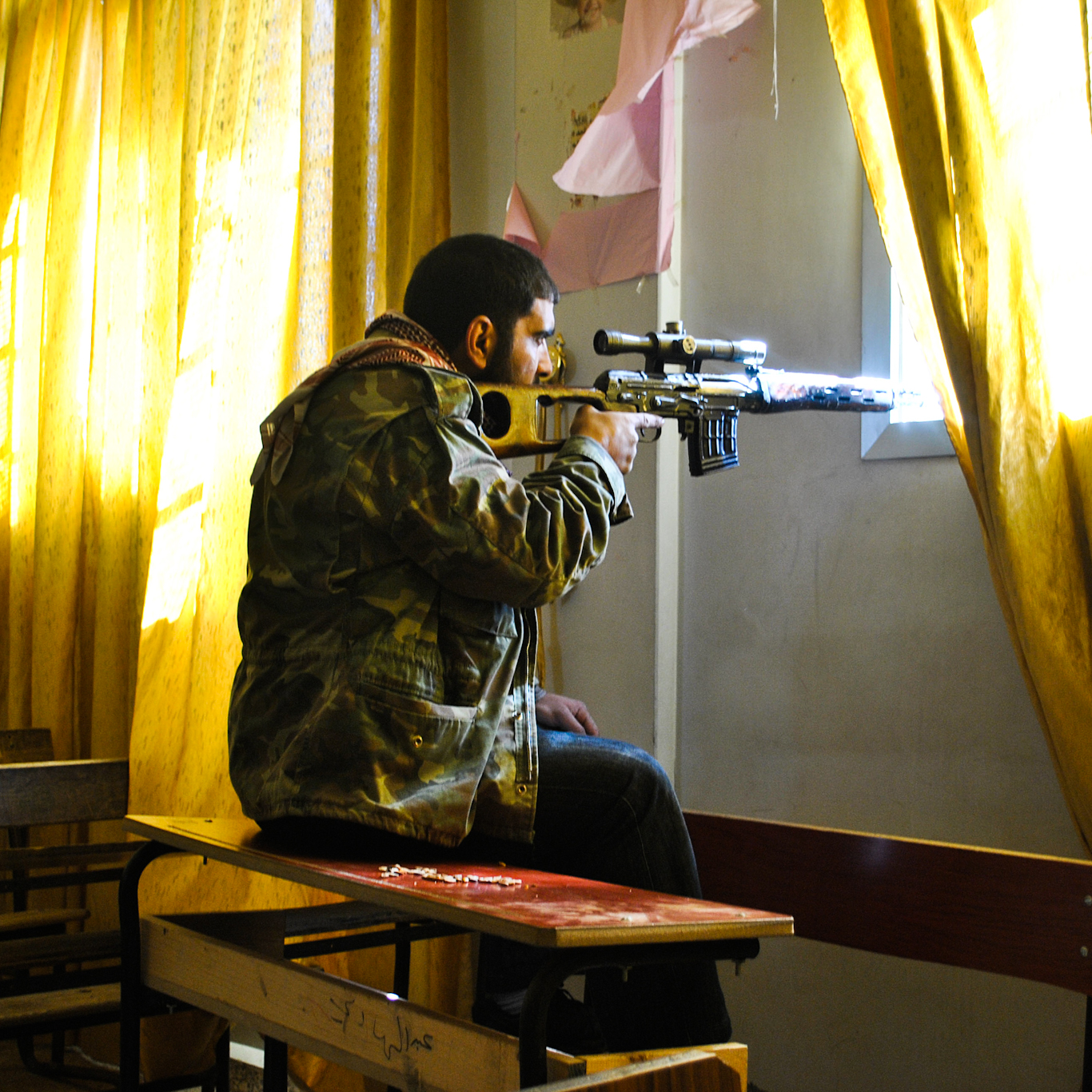
The opposition proposed convening mass demonstrations so that security forces “will lose control of all regions,” be “taken unaware,” and become “exhausted and distracted.” This, along with “honest officers and soldiers” joining “the ranks of the revolution,” would make “toppling down the regime” all the more straightforward, particularly as any crackdown on these protests would encourage a Western “military strike,” ala Libya. They foresaw mainstream news outlets playing a significant role in making this happen:
Everyone should be confident that with the continuation of demonstrations today, media channels will have no choice but to cover the events…Al Jazeera will be late due to considerations of mutual interests. But we have Al Arabiya and Western media channels who will come forward, and we will all see the change of tone in covering the events and demonstrations will be aired on all channels and they will have wide coverage.”
The document is the most palpable evidence to date that the entire Syrian “revolution” unfolded according to a pre-prepared, well-honed script. Whether this was drawn up in direct collusion with Western powers remains to be proven. Still, the presence of snipers picking off protesters is a strong indication among many that this was the case.
Unidentified snipers are a frequent fixture of U.S.-orchestrated ‘color revolutions’ and CIA coups, such as the attempted overthrow of Venezuelan president Hugo Chavez in 2002 and the 2014 Ukrainian ‘revolution.’ In both cases, the shooting of unarmed protesters by snipers was pivotal in unseating the targeted government. In Kiev, demonstrations that began months earlier started running out of steam when 70 protesters were abruptly slain by sniper fire.
This turned the entire crowd violent while triggering an avalanche of international condemnation, which made President Viktor Yanukovych’s downfall a fait accompli. In the years since, three Georgian mercenaries have claimed they were expressly ordered by nationalist opposition actors and a U.S. military veteran embedded with them to carry out a massacre “to sow some chaos.” Officially, the crime remains unsolved today.
‘BURN ENORMOUS SUMS’
The Central Crisis Management Cell documents would have forever remained a Syrian government secret were it not for the enterprising work of the Commission for International Justice and Accountability (CIJA). This shadowy organization was founded in May 2011 by Western military and intelligence veterans to prosecute Syrian officials for war crimes. Its first act was to train Syrian investigators “in basic international criminal and humanitarian law” in service of a “domestic justice process in a future transitional Syria.”
For years, CIJA enjoyed glowing profiles in major news outlets and connected journalists and rights groups with material that formed the basis of several hard-hitting investigations exposing purported Syrian government atrocities. At no point was any concern raised about the Commission’s collaboration with dangerous armed groups to smuggle sensitive documentation out of abandoned government buildings in opposition-occupied areas of the country.
CIJA chief Bill Wiley claimed in 2014 that his organization worked with every Syrian opposition group “up to but excluding Jabhat al-Nusra and Islamic State.” However, an investigation by “The Grayzone” indicates that the Commission’s staff in Syria were frequently in extremely close quarters with both groups and, in fact, paid them handsomely for their assistance in securing documentation. This included material seized in the city of Raqqa after its January 2014 capture by ISIS, when the terrorist group was massacring Alawites and Christians.
“We burn enormous sums of money moving this stuff,” Wiley told The “New Yorker” in 2016. Accordingly, CIJA received tens of millions of dollars for these efforts from a number of Western governments, including states at the forefront of the Syrian proxy war.
The Commission’s work produced no prosecutions for many years. This changed in late 2019 when Anwar Raslan and Eyad al-Gharib, two former Damacus’ General Intelligence Directorate members, were indicted in Germany for crimes against humanity.
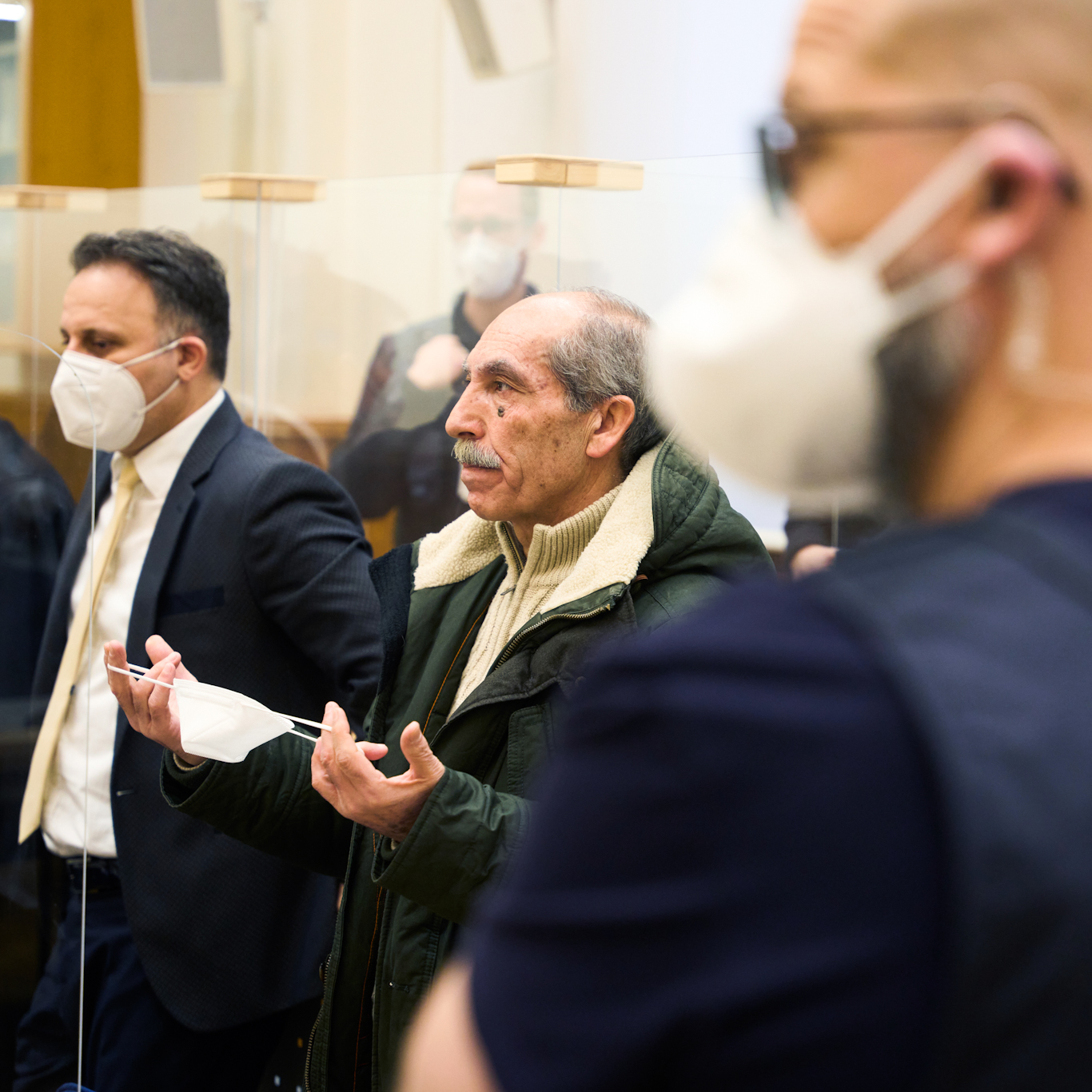
Raslan headed the Directorate’s domestic security unit, while al-Gharib was one of his departmental lackeys. The pair defected in December 2012, with Raslan and his family fleeing to Jordan, where he would play “an active and visible role in the Syrian opposition.” He was part of the opposition delegation to the Geneva II conference on Syria in January 2014. In July of that year, he was granted asylum in Germany.
Following his escape, Raslan told numerous tales of abuse and atrocities perpetrated by his unit and the Syrian government during his 20 years of state service. He claimed his defection was spurred after learning of an apparent opposition attack in Damascus that he was investigating was, in fact, staged by security forces. Significant doubts about his accounts and whether his defection was principled or just cynical opportunism have been raised.
In a bitter irony, Raslan’s loudmouth tendencies were his undoing. His assorted claims provided grounds for his arrest by German authorities and were used against him in his prosecution, which heavily relied on documents seized by CIJA, including the Cell records. An expert statement submitted to the court by Commission operative Ewan Brown, a British Army veteran, falsely frames these as indicative that Assad’s government sanctioned and encouraged brutality and repression against peaceful protesters.
Al-Gharib was found guilty of aiding and abetting crimes against humanity and received four-and-a-half years in prison in February 2021. A year later, Raslan was given life imprisonment for crimes including mass torture, rape, and murder. The pair were convicted not for personally perpetrating these horrors but for serving in the General Intelligence Directorate when they were allegedly committed. Details of these purported crimes were, in some cases, provided to the court by highly unreliable witnesses.
The conclusion that Al-Gharib and Raslan were prosecuted because they were within easy reach, and CIJA and its Western backers needed something to show for all their efforts, is ineluctable. The Commission had good reason to be nervous about failing to fulfill its founding objective. In March 2020, the European Anti-Fraud Office (OLAF) formally accused the organization of “submission of false documents, irregular invoicing, and profiteering” in connection with an EU “Rule of Law” project it ran in Syria.
CIJA’s crusade to punish Syrian officials could only succeed in the event of regime change. Its launch in May 2011 shows that foreign actors were laying the foundations for that eventuality from the earliest days of the ‘peaceful revolution.’ The recent protests may indicate that Western powers haven’t given up on the objective yet.

Kit Klarenberg is an investigative journalist exploring the role of intelligence services in shaping politics and perceptions.


