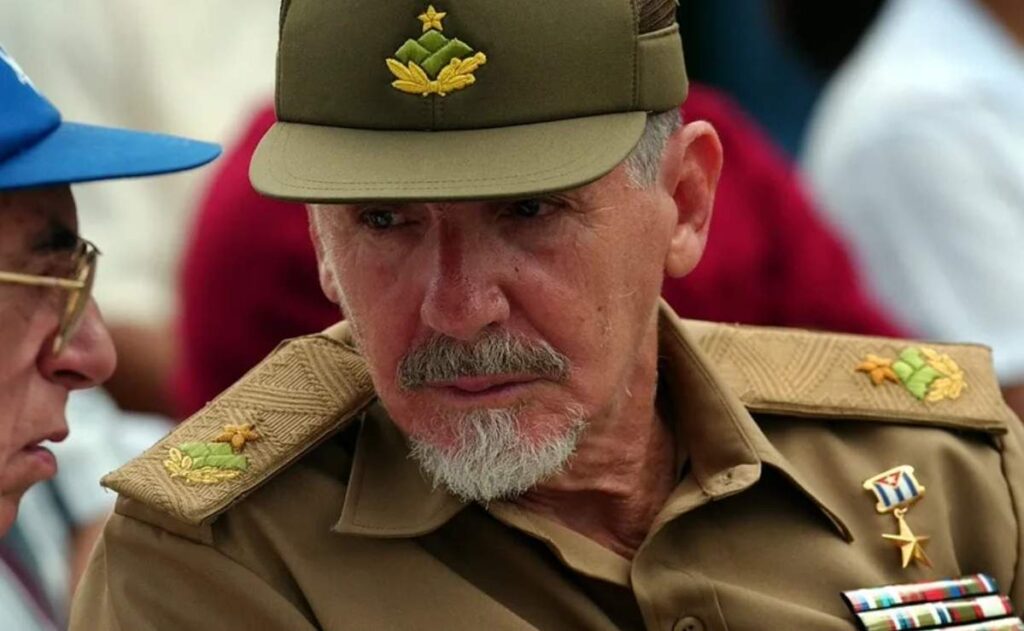
Photograph of the late commander of the Cuban revolution, Ramiro Valdés. Photo: Alejandro Ernesto/EFE/file photo.
Photograph of the late commander of the Cuban revolution, Ramiro Valdés. Photo: Alejandro Ernesto/EFE/file photo.
Commander of the Cuban Revolution Ramiro Valdés Menéndez, one of the most prominent and important figures of the Cuban liberation struggle, passed away on Sunday June 21.
The loss of this legendary combatant has generated profound sorrow within state institutions and among the people of Cuba, where he is revered as an unwavering symbol of sovereignty.
Valdés Menéndez’s life was marked from his youth by an absolute commitment to the demands of social justice in the Moncada Program. The strategist was an active member of the vanguard group that initiated armed insurrection against Fulgencio Batista’s corrupt, US-backed dictatorship during the 1950s, defending popular self-determination until his last breath.
La partida física del Comandante de la Revolución, Ramiro Valdés Menéndez, duele profundamente, como la de un padre.
Así lo quise y respeté siempre. Así recordaré su apoyo y consejos, su discreta colaboración y ejemplar consagración al servicio de la Patria.
1/3 pic.twitter.com/ugQBiaJkfY
— Miguel Díaz-Canel Bermúdez (@DiazCanelB) June 21, 2026
Among his most outstanding feats are his direct participation in the heroic assault on the Moncada Barracks on July 26, 1953, and his subsequent integration into the Granma expedition in 1956. His bravery and organizational skills on the frontlines in the Sierra Maestra earned him the prestigious rank of commander of the Rebel Army during the war of national liberation, which allowed Cuba to become free after breaking its necolonial status under US imperialism. He was second in command of the invading Column No. 8 Ciro Redondo, led by Commander Ernesto Guevara, and was a key player, alongside Che, in the Battle of Santa Clara.
Following the victory of January 1, 1959, the veteran leader assumed highly sensitive responsibilities in the areas of security, defense, and ministerial development. The revolutionary government considered his rigorous management of strategic sectors and his dedication to building socialism as essential in constructing an enduring moral legacy for new generations facing the US economic blockade.
The president of Cuba, Miguel Díaz-Canel, lamented the passing of Valdés Menéndez, expressing his profound sorrow, which he compared to the grief of losing a father. The head of state highlighted the commander’s exemplary military discipline, his discreetness, and the wise counsel he tirelessly provided to the Cuban people.
Likewise, Foreign Minister Bruno Rodríguez Parrilla expressed his deep sorrow at the passing of the hero of Moncada, the Granma, and the Sierra Maestra. The Cuban foreign minister affirmed that his loyalty to the revolution made him one of the most selfless and respected leaders of cultural and revolutionary diplomacy, reiterating that the people will always be faithful to his memory.
(Telesur)
Translation: Orinoco Tribune
OT/JRE/SL