Guatemalans protesting against the sexual abuse of minors. Photo: EFE.
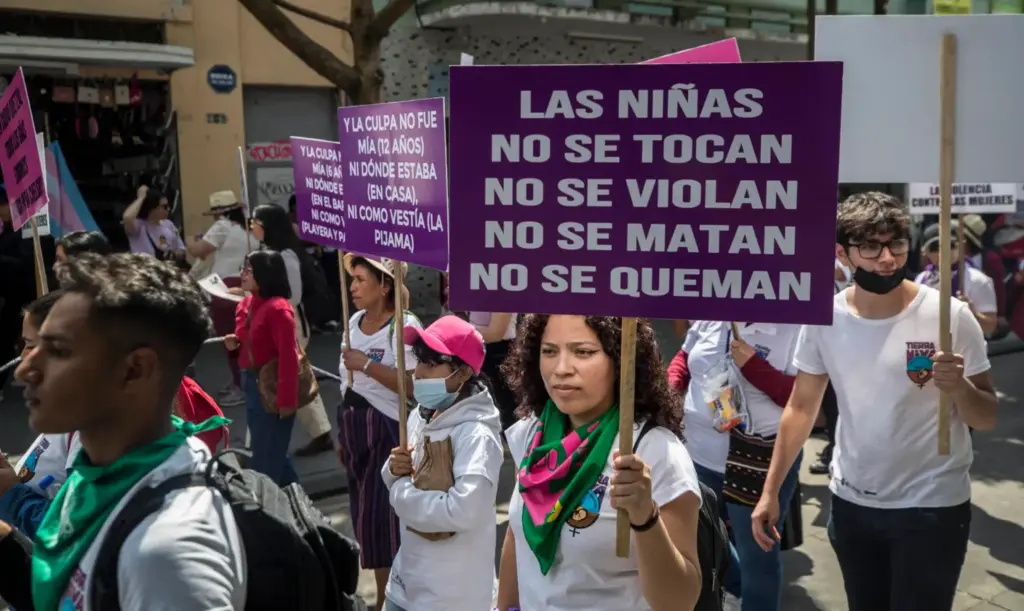
Guatemalans protesting against the sexual abuse of minors. Photo: EFE.
More than 350 Guatemalan girls between the ages of 10 and 14 became pregnant as a result of sexual assault so far in 2026 alone, according to the Observatory on Sexual and Reproductive Health. This figure highlights the alarming level of violence against women and the lack of state prevention efforts in Guatemala.
The alarming data reports 357 cases of pregnant girls: two aged 10, three aged 11, 12 aged 12, 70 aged 13, and 270 aged 14, according to data released by the Observatory on Sexual and Reproductive Health on Friday.
El presidente de #Guatemala🇬🇹, Bernardo Arévalo, decretó el Estado de Sitio en todo el territorio nacional por un periodo de 30 días, en respuesta a una ola de violencia atribuida a pandillas que dejó al menos nueve personas fallecidas.https://t.co/liSiWVYkCm
— teleSUR TV (@teleSURtv) January 19, 2026
Alarming statistics across departments
The statistics cover all 22 departments of Guatemala. Huehuetenango, bordering Mexico, has the highest number of cases, followed by the department of Guatemala.
The observatory recorded a total of 2,101 pregnancies in girls under the age of 14 as a result of sexual assault in 2025. In 2024, the figure was 1,953. These statistics are supported by the Guatemalan National Registry of Persons.
Systematic state failure
In October 2025, various social organizations in Guatemala denounced persistent inequality, exclusion, discrimination, and multiple forms of violence. Thousands of girls and adolescents in the country constantly face these problems.
The Human Rights Office of the Archdiocese of Guatemala (ODHAG), the Fe y Alegría Foundation, and the Reproductive Health Observatory expressed their “deep concern and outrage.” They described the situation as a “systematic failure” by the state to guarantee fundamental human rights for children and adolescents.
Nery Rodenas, representing ODHAG, stated that “every child pregnancy is evidence of sexual violence. Every missing or trafficked girl reflects the absence of effective prevention and justice policies.”
(Telesur)
Translation: Orinoco Tribune
OT/JRE/SF