The Brazilian activist opposed the socioeconomic forces that threatened the future of her people and humanity itself.
Brazilians are mourning the recent death of Tuíre Kayapó, the influential indigenous leader credited with having “postponed the end of the world.”
Kayapó died this month at the age of 57 after a struggle with uterine cancer. Her life was spent defending the rights of indigenous inhabitants of Brazil’s Amazon rainforest against mining and construction projects that threatened their traditional way of life.
Kayapó came to international prominence in 1989 when, at the age of 19, she gathered a group of 600 indigenous people to protest the construction of a hydroelectric dam that threatened her people’s ability to navigate and fish in the Xingu River. During one dramatic moment Kayapó held a machete to the face of José Antônio Muniz Lopes, the head of the Eletronorte company responsible for the project.
“White man, you have no forest,” Kayapó declared. “This land isn’t yours. You were born in the city and came here to attack our forests and rivers. You won’t do this.”
The photo of the incident quickly spread, making Kayapó a symbol of indigenous resistance around the world.
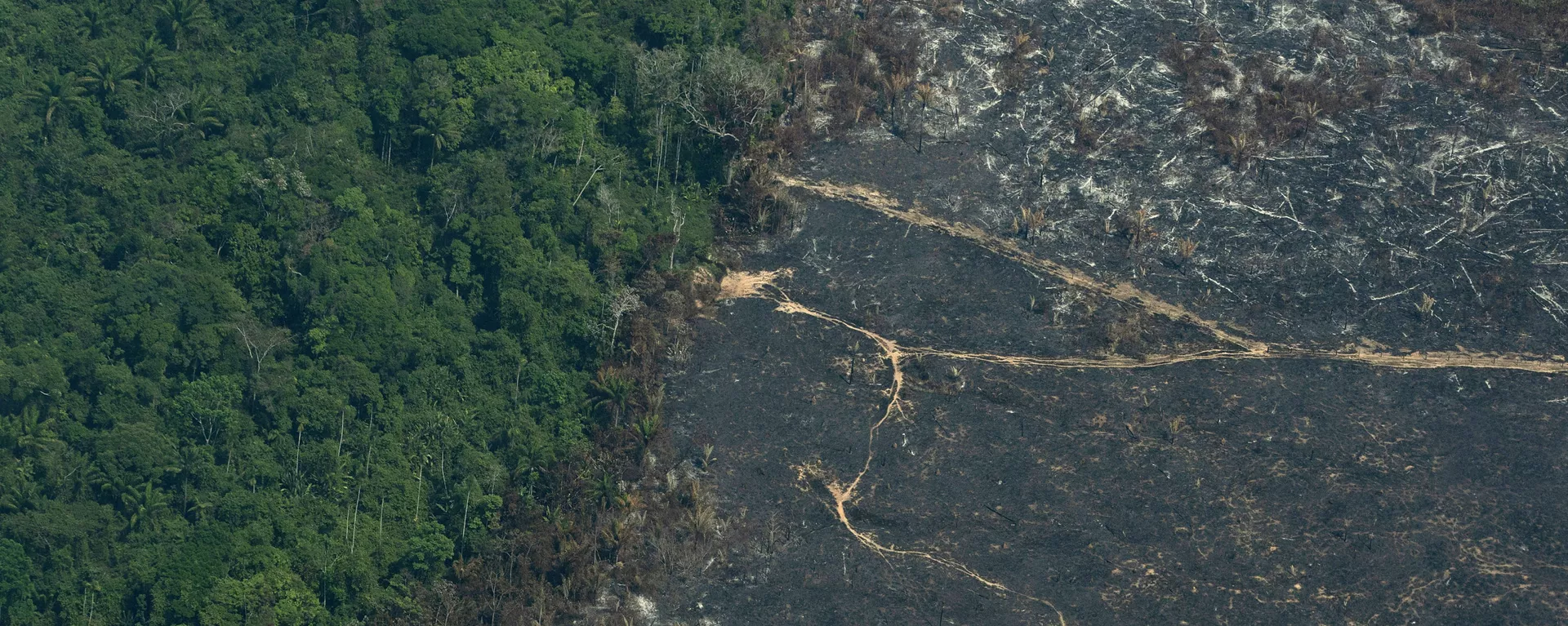
The river held both practical and spiritual significance for her tribe, whose cosmology holds that the Xingu people are Mẽbêngôkre, or “the people who came from the water.” The damming of the river was viewed as a deep act of blasphemy by the Xingu, and Kayapó’s successful effort to delay the construction of the project for 20 years led to her becoming known as the woman who “postponed the end of the world.”
The struggle of Kayapó and the indigenous people of the Americas draws attention to the legacy of genocide and settler colonialism at the heart of modern Western society, with native peoples and their way of life under threat throughout the world. The president of Namibia drew a connection earlier this year between this legacy of imperialism and Western countries’ support for Israel in its attempts to dispossess indigenous Palestinians.
“Germany has chosen to defend in the ICJ the genocidal and gruesome acts of the Israeli government against innocent civilians in Gaza and the occupied Palestinian Territories,” said President Hage Geingob in a post on the X platform. Geingob slammed the country’s lack of “atonement” for overseeing what historians consider the first genocide of the 20th century when tens of thousands of Indigenous Herero and Nama peoples in Namibia were killed by German occupiers.
Brazil’ MST: How Long Do We Have To Wait for the Changes To Begin?
Many researchers draw a straight line between Western colonialism in Africa and the emergence of fascism, with Nazi atrocities viewed as merely an application of colonial logic within Europe.
Activist and historian Netfa Freeman identifies the US as the modern heir to this brutal imperialist legacy, calling it “the offspring of Western European colonialism.” Today the United States pursues domination of the peoples of the world with the same vigor, attempting to subject humanity to its political, economic, and military control.
For one inspiring moment Tuíre Kayapó resisted such domination, at the same time pointing the way towards a different mode of living in harmony with the Earth and each other. Her story serves as an example to everyone who values justice, bravery and respect for humanity.
(Sputnik) by John Miles