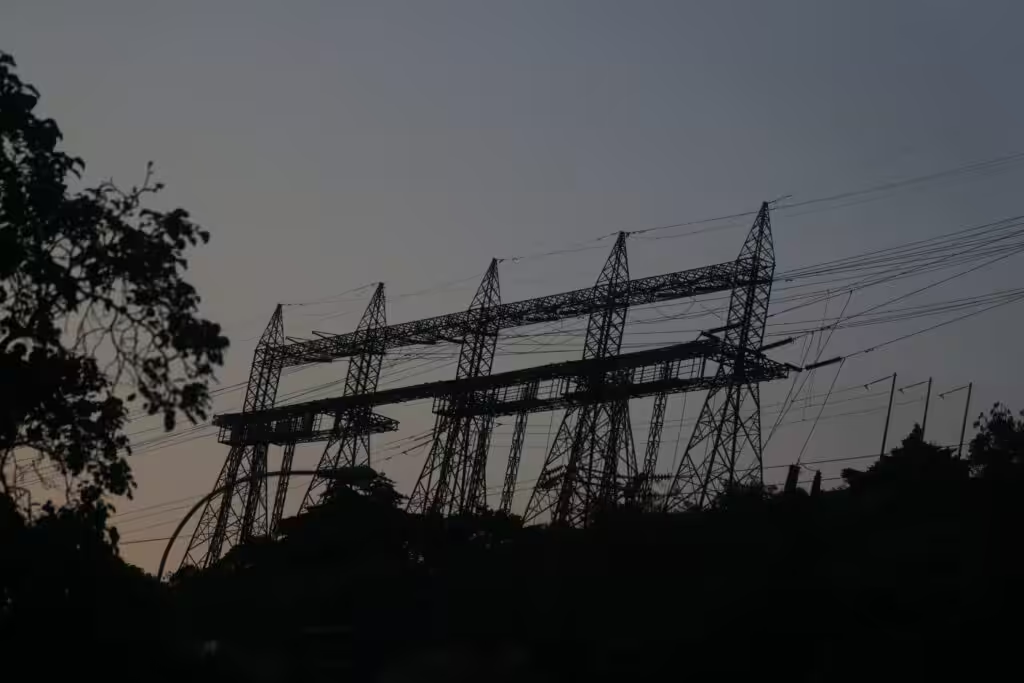
Electricity supply installations of the National Electrical System of Venezuela. File photo.
Electricity supply installations of the National Electrical System of Venezuela. File photo.
This Thursday, May 7, Venezuela’s electricity demand reached a milestone of a record 15,579 megawatts (MW), the highest in the last nine years. This was announced by the government in a statement, which specified that “this record surpasses levels from nearly a decade ago, a result of continued high temperatures and sustained economic growth.”
In response to this situation, the statement released by Public Works Minister Juan José Ramírez announced that the government “continues to deploy its technical teams to implement stabilization and protection measures for the National Electric System to ensure the stability of the service.”
However, in recent weeks, recurrent complaints about electricity outages have been reported in the Venezuelan countryside, major state capitals, and Caracas.
Since 2015, US sanctions have greatly affected the Venezuelan government’s access to international electricity markets and investors. This has significantly degraded the robustness of the national electricity grid, which, according to analysts, performs comparably to that of similar countries not affected by illegal US sanctions.
In recent days, Venezuelans experts have reported that SIEMENS and General Electric, eager to resume operations in Venezuela, have complained to the US government about the impact of the sanctions on achieving their goals. Thus, these companies might be partly responsible for recent and upcoming OFAC licenses related to financial issues, they noted.
Minister Ramírez reported that starting Friday, the government will begin “a national call with all sectors (private, industrial, academic, and scientific) to present and inform the country about the Recovery and Transformation Plan of the National Electric System (PRTSEN).”
He also called on the private sector, which has its own power generation sources, to use them responsibly. He also reaffirmed that the absolute ban on crypto mining remains in place throughout Venezuela.
The full unofficial translation of the statement follows:
The government of the Bolivarian Republic of Venezuela informs the Venezuelan people that today, May 7, 2026, we have reached a milestone in the country’s electricity demand, with a record of 15,579 Megawatts (MW), the highest in the last nine years.
This record surpasses levels from nearly a decade ago, a result of continued high temperatures and sustained economic growth that maintains momentum.
In response to this situation, the Bolivarian government continues to deploy its technical teams to implement stabilization and protection measures for the National Electric System to ensure the stability of the service. To continue the recovery of the electrical system, significantly affected by sanctions and over-compliance, substantial strategic investments in infrastructure are being made to strengthen generation capacity in the medium and long term and effectively meet demand.
We also urge the private sector, which has its own power generation capacity, to use it responsibly, given the high temperatures forecast for today and tomorrow. We appeal to the entire country for cooperation in preserving the stability of the power system.
The national government also announces that, starting tomorrow, a national call will be launched in all sectors (private, industrial, academic, and scientific) to present and inform the country about the Recovery and Transformation Plan for the National Electric System (PRTSEN).
In this regard, the absolute prohibition of crypto mining remains in effect throughout the national territory. Those who illegally engage in this activity will be punished to the full extent of the law. A monitoring plan has been activated with the relevant authorities and agencies to enforce this provision.
Finally, it is important to note that international sanctions have impacted the National Electric System, contributing to the difficulties in its full recovery. Nevertheless, the National Government reaffirms its commitment to continue working tirelessly to strengthen the electricity service, incorporating the megawatts necessary to meet the growing demand through diverse generation sources and ensure the well-being of the entire population in this new cycle of recovery.
Caracas, May 7, 2026
Technical meeting for the recovery of the National Electric System (SEN)
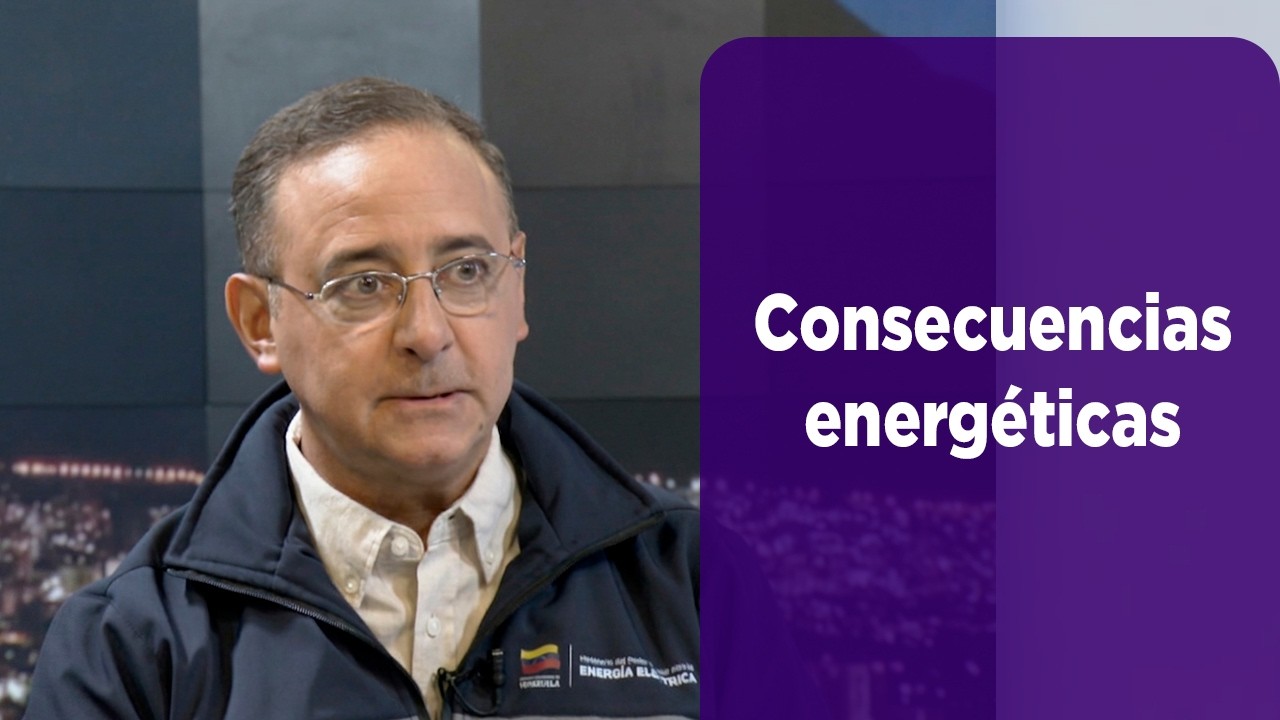
In a special interview on public television, the Minister for Electrical Energy, Rolando Alcalá, explained that economic growth and environmental conditions have contributed to the increase in electricity demand in the country, which has overloaded the SEN by reaching a historic milestone of 15,579 megawatts.
In the context of the Venezuelan government’s recent statement on the electricity issue, which revealed that current consumption has been the highest in the last nine years, Alcalá said that the average demand in recent months was 13,500 megawatts and that this increase is mainly due to two factors.
First, he asserted that the international opening and economic development have led to increased consumption. He also explained that this increase is further fueled by commercial activity and the purchase of household appliances, driven by Venezuelans’ increasing purchasing power.
According to the minister, another factor contributing to this process is the climate. Alcalá noted that Venezuela is currently experiencing global warming and that, despite recent rainfalls, temperatures remain high, further straining the SEN.
Wide range of sectors
Also on Friday, Venezuela’s private, industrial, academic, and scientific sectors were summoned to a technical meeting held by the Ministries for Electric Energy and Public Works, Alcalá reported.
“We are going to have a technical working group and discussions with all these sectors. There, the recovery plan for the National Electric System will be presented. The idea is to present it so that everyone has full knowledge of what we are doing, where we are going and, in turn, hear the opinions and recommendations from all these sectors,” the minister added.
He said that all entities, both private and public, are involved in the recovery of the National Electric System. Thus, intellectuals, university professors, industrialists, and even telecommunications companies will be invited.
Saving energy
He considered the SEN to be the driving force and core factor in all development activities in any society. Therefore, he highlighted the country’s awareness campaign on energy use.
Venezuela’s Delcy Rodríguez: ‘Stop the Lies About Medicines Bought From the US’
“We are all part of a society, and we all must collaborate. How? By using energy efficiently, as family, friends, and the general population. How will we do that? Simply by turning off the lights when they are not needed; that is very basic,” he explained. He added that keeping air conditioning at 22°C, unplugging cell phone chargers, and other behaviors, combined by the thousands, result in efficiency and savings.
“That is what we call energy saving awareness,” he said, concluding that engineers, technicians, and electrical professionals, trained at top-tier Venezuelan universities, are working day and night.
(Alba Ciudad) with Orinoco Tribune content
Translation: Orinoco Tribune
OT/JRE/SF